Choosing the Perfect Jewels
Just spent some time geeking out over jewel choices for my latest watch movement. Straight jewels on the dial side, olive-ring on the plate side – it's all about that smooth, reliable movement! 😊 Curious about the details? Check out what I've been working on: https://thebitcoinwatchmaker.com/post/view/choosing-the-perfect-jewels./
Choosing the Perfect Jewels for Our Watch Movement
Today, I wanted to dive into an aspect of our movement design that’s been carefully thought out: choosing the right jewels. It’s a vital step, and I’ve spent a lot of time weighing options to ensure each component performs flawlessly, following the NIHS (NIHS 04-04F, NIHS 94-10, NIHS-05-01, NIHS-05-03) standards for precision and durability in watchmaking.
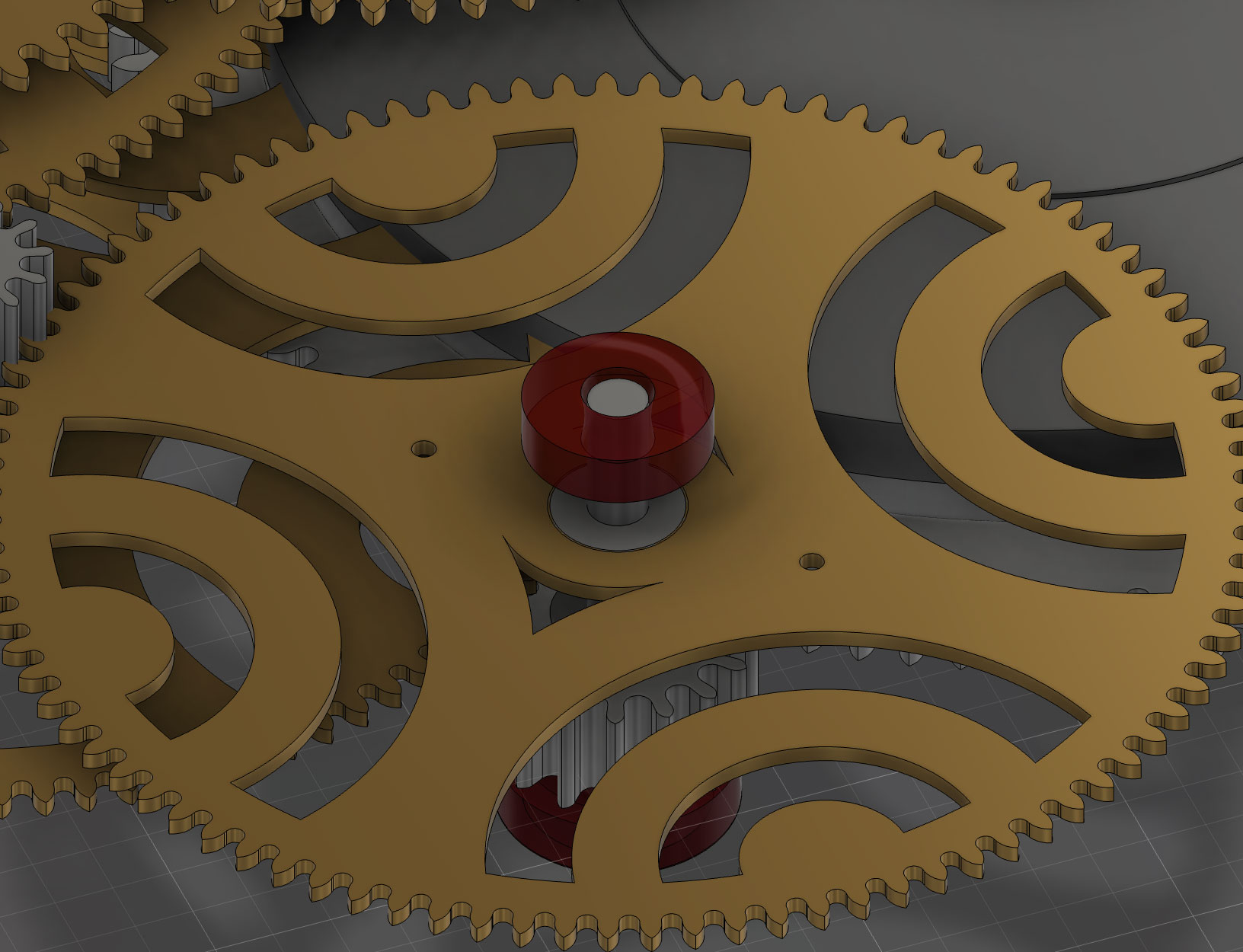
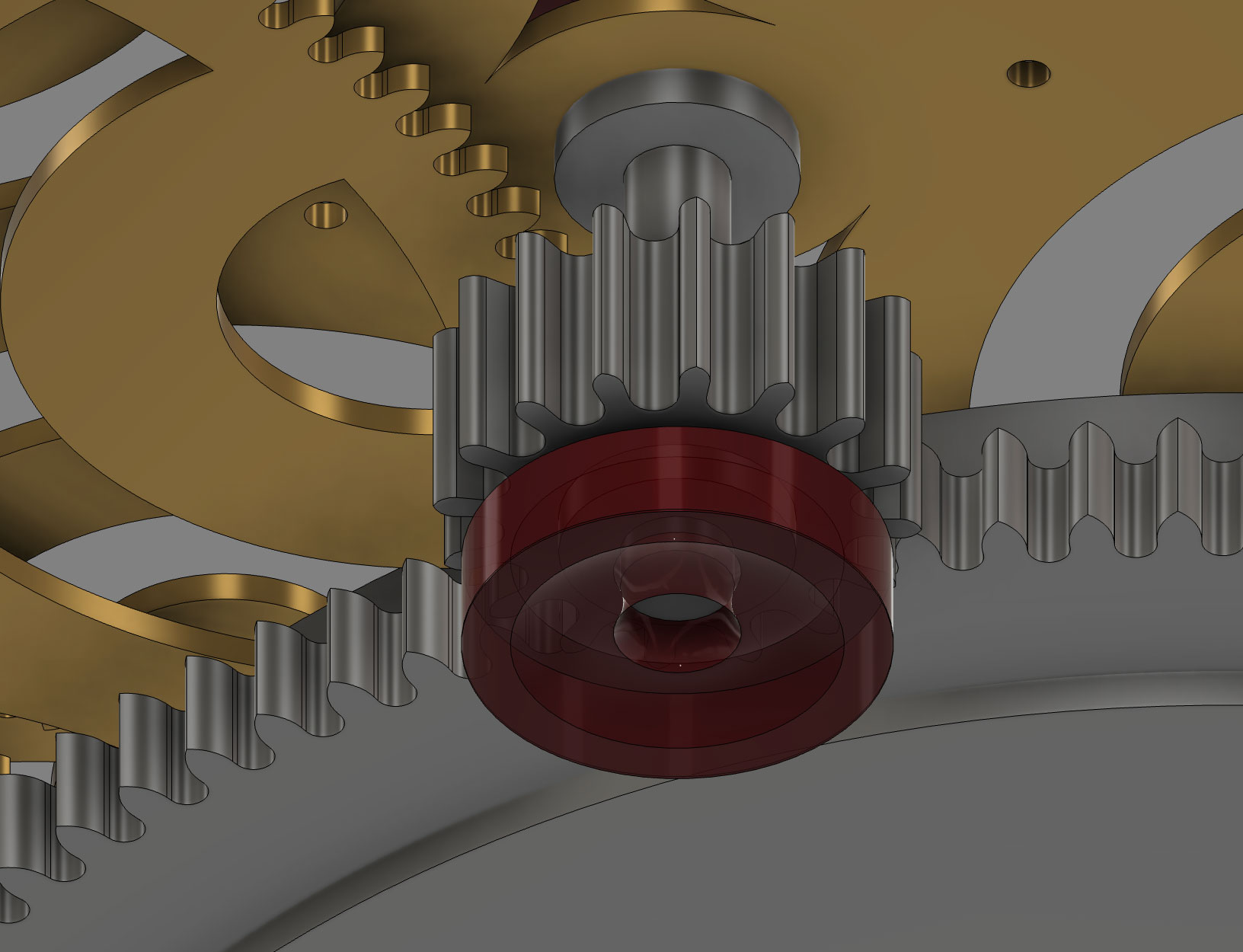
For this design, I’ll be using straight jewels on the dial side and olive (also known as bombe) ring jewels on the plate side. Each type has its own advantages, primarily in reducing friction and wear, which is essential for ensuring smooth movement in the train of wheels. The NIHS standards provided key guidelines for evaluating each jewel type’s fit and performance within the system.
To give myself some leeway during production, I ordered 18 jewels of each type: the R53.30 and R50.80K from swissjewel.com. This flexibility will help address any fine adjustments we need to make as we finalize the fit and finish of the train. These jewels are precisely sized per NIHS tolerances, so having extras means we can adapt without compromising progress or quality.
It’s a small but critical detail, as every watchmaker knows, but one that will ultimately contribute to a smoother, more reliable movement. Stay tuned as I continue to refine this design, one jewel and shaft at a time, always with NIHS standards as our compass!
I'm also thinking of using the same jewels for the center, third and fourth wheels.
🤩