
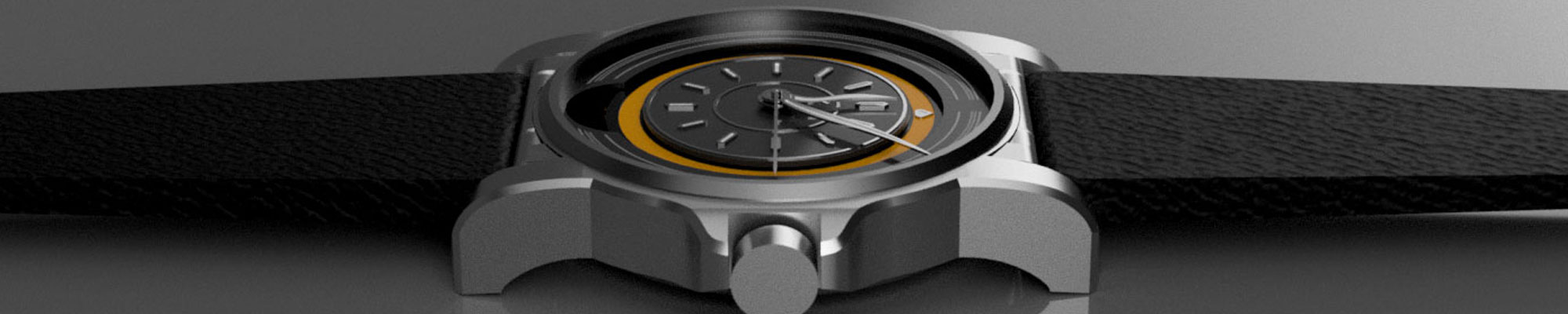
When CAD History Fights Back, Build a Script
A fragile CAD tree and a tired old movement teach the same lesson: if the real rules are hidden, every small change gets expensive. I started scripting the model so the logic is visible again: /post/view/when-cad-history-fights-back-build-a-script
Complex CAD models have a way of turning one small fix into a full afternoon. You go back to change one early feature, and suddenly half the history tree is red. References break. Sketches lose their parents. Things that looked stable start moving in ways you did not ask for.
That is not really a software problem. It is what happens when a design gets complicated enough that too many later decisions depend on too many earlier ones. A model can look clean on screen and still be held together by a few fragile assumptions that no longer make sense a month later.
I have been hitting that wall hard enough that I started changing the approach instead of just patching the fallout. Instead of manually repairing or rebuilding the design every time I want to change something fundamental, I am working on a script that generates the whole thing for me.
Why script it at all?
The point is not automation for its own sake. The point is to put the real rules of the part in one place. Critical dimensions, relationships, patterns, and repeated operations go into code. Then the model gets rebuilt from first principles each time.
If a core assumption changes, I change it once and regenerate instead of trying to keep a long chain of downstream features alive.
What the script forces you to confront
That has already been the useful part. A script is less forgiving than a messy feature tree. It forces you to decide what actually drives the geometry, what is derived from something else, and what was just a convenient number typed in at 1 a.m.
If the design depends on a rule, the rule should be visible.
A better way to think about the part
This also feels closer to how I want to think about making parts in the first place: define the setup, define the constraints, define the sequence, then make the part.
That is a better fit for precision work than treating CAD like a pile of cosmetic edits balanced on top of each other.
Still early, but promising
It is still early, but it already feels like the right direction. Less repair work. Less fear of touching the foundation. More room to test ideas without wrecking the whole model.
I will share more once the script is far enough along to show what it fixes, and what kinds of problems it creates on its own.